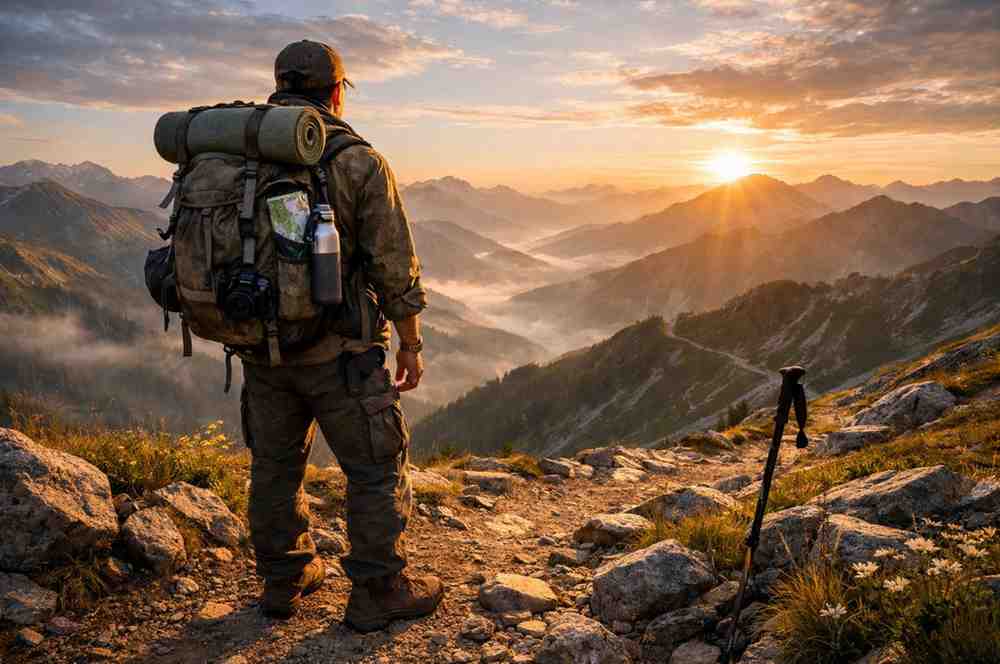
Backpacking: The Freedom of Exploring the World on Your Own Terms
Lisa Park • October 26, 2026
There’s a certain kind of magic in packing your life into a single bag and setting out into the unknown. Backpacking isn’t just a way to travel—it’s a mindset built on freedom, simplicity, and discovery. It strips travel down to its essentials and replaces luxury with experience, comfort with adventure, and plans with possibility.
What Is Backpacking?
Backpacking is a form of independent travel where you carry everything you need in a backpack and move from place to place with flexibility. Unlike traditional vacations, it doesn’t revolve around fixed itineraries or high-end accommodations. Instead, it’s about adaptability—staying in hostels, using public transport, and embracing spontaneity.
It’s often associated with budget travel, but more than saving money, it’s about experiencing destinations in a raw and authentic way.
Why Backpacking Appeals to So Many
- Freedom to go wherever the road leads
- Affordability by reducing luxury expenses
- Authentic experiences through local interactions
- Personal growth by stepping outside comfort zones
Without rigid plans, every day becomes an opportunity.
Popular Backpacking Destinations
🌏 Southeast Asia
Countries like Thailand offer budget-friendly travel, vibrant culture, and beautiful beaches.
🏰 Europe on a Budget
Cities such as Prague combine rich history with relatively affordable travel options.
🇮🇳 India’s Diverse Landscapes
From Himachal Pradesh’s mountains to Goa’s beaches, India provides endless backpacking routes.
The Essentials: Packing Smart
One of the most important backpacking skills is knowing what not to carry. Packing light is essential.
- Comfortable, climate-appropriate clothing
- A sturdy, ergonomic backpack
- Travel documents and toiletries
- Reusable water bottle and basic first-aid kit
Overpacking is a common mistake—less is more.
Accommodation: Where Backpackers Stay
- Hostels: Budget-friendly and social
- Guesthouses: Simple and often family-run
- Homestays: Immersive cultural experiences
Transportation: Moving Like a Local
- Buses and trains for long distances
- Shared taxis or tuk-tuks for short rides
- Walking or cycling for exploration
This approach saves money and enhances authenticity.
The Social Side of Backpacking
One of the most rewarding aspects is the people you meet—fellow travelers, locals, and hosts. Shared spaces like hostels often lead to meaningful conversations and lasting friendships.
Challenges You Might Face
- Navigating unfamiliar places
- Language barriers
- Managing a tight budget
- Occasional discomfort
These challenges often become the most memorable parts of the journey.
Backpacking vs. Traditional Travel
| Aspect | Backpacking | Traditional Travel |
|---|---|---|
| Planning | Flexible | Fixed itinerary |
| Budget | Low to moderate | Moderate to high |
| Accommodation | Hostels/guesthouses | Hotels/resorts |
| Experience | Immersive | Structured |
Tips for First-Time Backpackers
- Start with a short trip
- Keep copies of important documents
- Learn basic local phrases
- Stay aware of your surroundings
- Be flexible with plans
The Transformational Power of Backpacking
Backpacking teaches resourcefulness, adaptability, and appreciation for simplicity. It shifts your perspective from material comfort to meaningful experiences.
Final Thoughts
Backpacking is more than a travel method—it’s a journey into independence and self-discovery. Whether you’re exploring Prague, relaxing in Goa, or trekking in Himachal Pradesh, the essence remains the same: travel light, stay curious, and embrace the unknown.
Sometimes, all you really need is a backpack—and the courage to begin.